
Call us now :08045815486
 Send Inquiry
 Send Inquiry
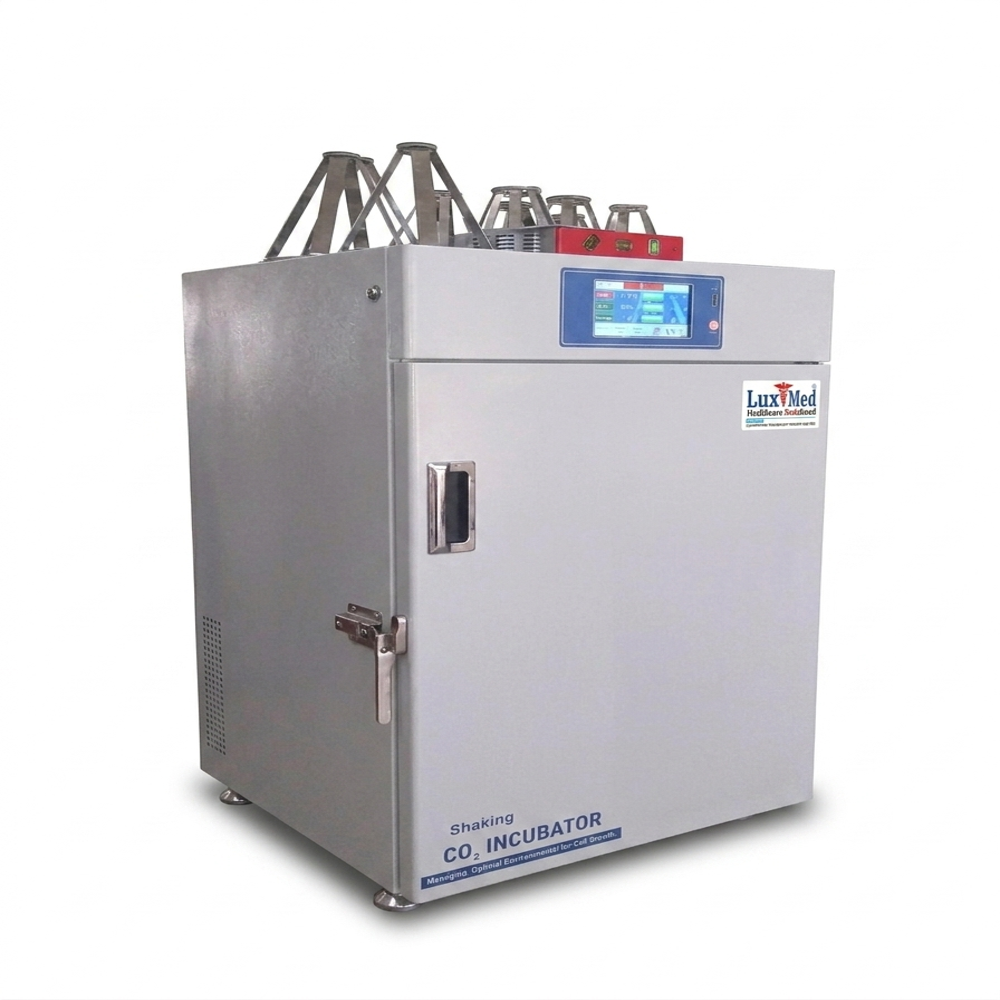
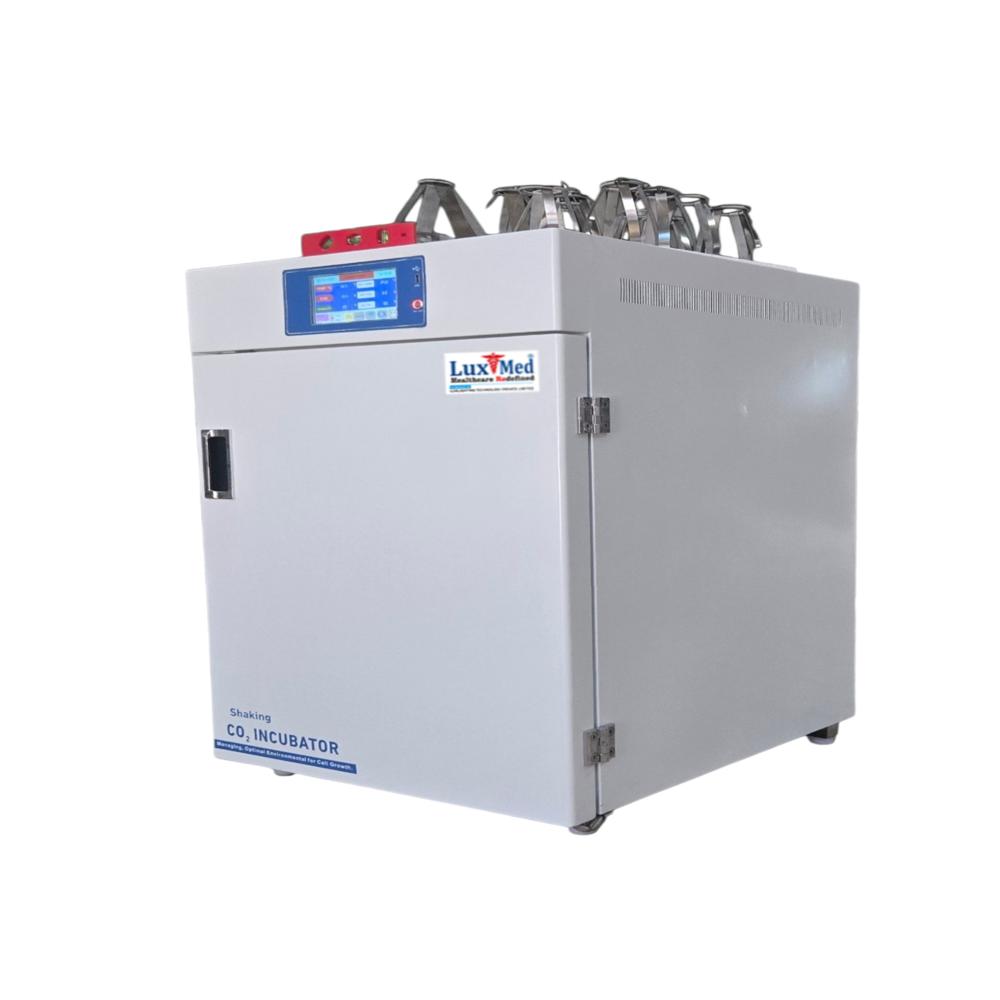
Shaking Co2 Incubator
Price 900000.0 INR/ Piece
MOQ : 1 Piece
Shaking Co2 Incubator Specification
- Accuracy
- 0.2C
- Speed Range
- 30 - 250 RPM
- Shape
- Rectangular
- Display Type
- Digital LED Display
- Features
- CO2 Control, Humidity Control, Alarm System, Programmable Shaker
- Heating Capacity
- Rapid Heating with Over-temperature Protection
- Control Type
- Microprocessor PID Control
- Glass Type
- Tempered Observation Window
- Power Supply
- Single Phase
- Temperature Resistance
- Ambient +5C to 60C
- Type
- Other
- Dimension (L*W*H)
- 650 x 720 x 900 mm
- Equipment Type
- Shaking Incubator
- Equipment Materials
- Stainless Steel
- Power
- 1200 W
- Voltage
- 220-240 V AC, 50/60 Hz
- Material
- Stainless Steel
- Application
- Cell Culture, Tissue Culture, Microbiological Research
- Capacity (Ltr)
- 170 Ltr
- Weight
- 90 kg
- Alarm System
- Over-temperature, Door open, CO2 supply failure
- Door Type
- Inner glass door and outer solid door
- Humidity Control
- Automatic, up to 95% RH
- Shelves
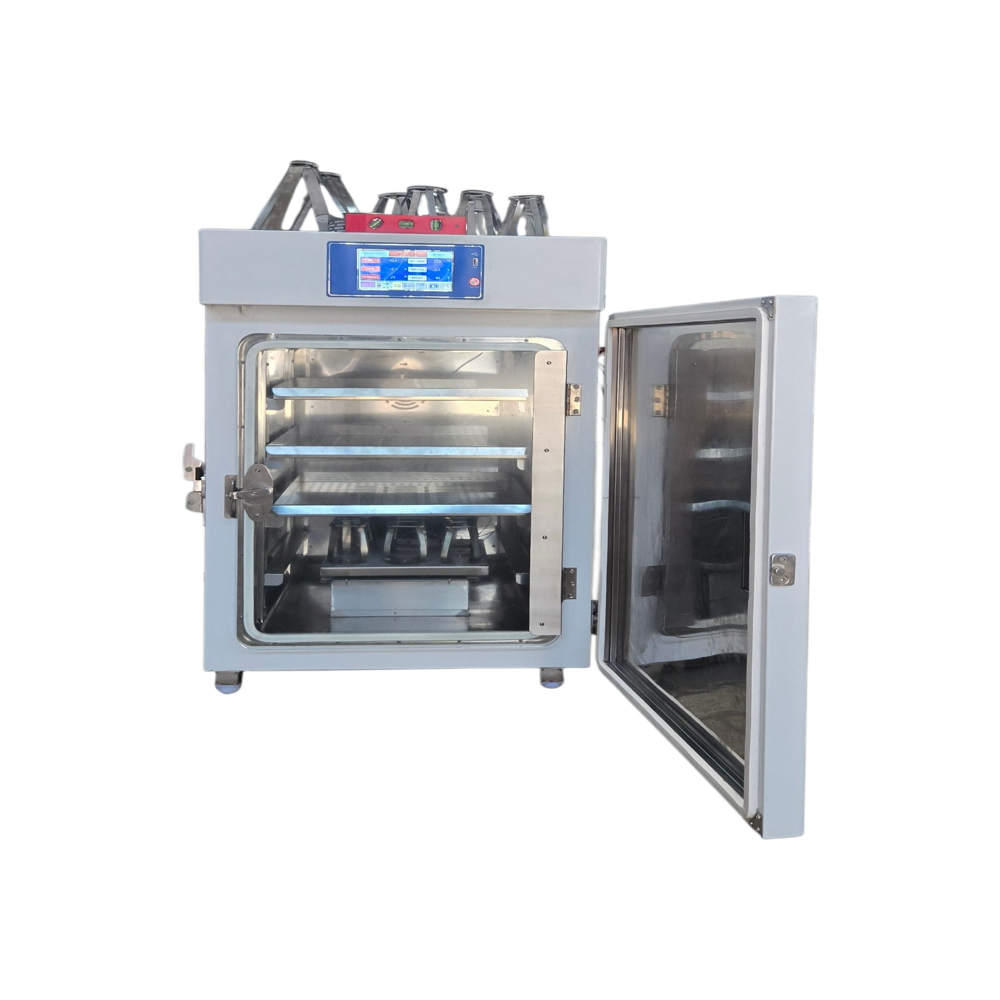
- 3 Adjustable Stainless Steel Shelves
- Shaker Capacity
- 6 x 1000 ml flasks
- Interior Lighting
- LED
- CO2 Range
- 0 - 20% with IR Sensor
Shaking Co2 Incubator Trade Information
- Minimum Order Quantity
- 1 Piece
- Delivery Time
- 20 Days
About Shaking Co2 Incubator
LuxMed Shaking  Co2 incubators are specialized laboratory equipment combining precise atmospheric control (temperature, Co2 , humidity) with orbital shaking to support cell growth, nutrient distribution, and oxygen transfer in suspension cultures. They are essential in pharmaceutical production, stem cell research, and antibody development, particularly for mammalian, insect, and tumor cell cultures.
LuxMed shaking Co2 incubator design concept integrates precise environmental control ( Co2, temperature, humidity) with an internal, corrosion-resistant orbital shaker for suspension cell culture. Key design features include a polished, seamless stainless steel chamber, 6-side direct heating for uniformity, magnetic induction drive for reliable agitation, and stackable, compact housing to maximize laboratory space.
Applications of Shaking Co2 Incubators
- Suspension Cell Culture: Ideal for cultivating cells, which require constant agitation to maintain, preventing the formation of nutrient concentration gradients.
- Microbial Fermentation: Used for culturing bacteria, yeast, or fungi, allowing for enhanced oxygen supply and nutrient uptake, preventing aggregation, and encouraging uniform, high-density growth.
- Biopharmaceutical Production: Crucial in the production of proteins, monoclonal antibodies, and viral vectors in bioreactor-like conditions.
- Tissue Engineering: Used in tissue culture to provide consistent, low-shear agitation for cell growth and extracellular matrix production.
- Hybridization and Molecular Biology: Used in laboratories to improve the efficiency of hybridization techniques in molecular diagnostics.
Key Features and Benefits
- Optimal Gas Exchange: The shaking motion eliminates dissolved oxygen concentration gradients, increasing oxygen transfer rates to the cells.
- Constant Environment: Maintains high humidity and Co2 levels (usually 0to 20%) to keep pH stable, often with HEPA filtration to minimize contamination.
- Flexibility: Often used with Erlenmeyer flasks, tubes, or deep well blocks , with some models featuring removable shakers.
- Space Optimization: Many systems are designed to be stackable, allowing for multiple units to be stacked on top of each other, reducing the lab's footprint.
Why Shaking is Necessary
- Oxygen Transfer: Continuous movement increases the surface area of the media, allowing for significantly higher levels of dissolved oxygen to reach the cells.
- Nutrient Distribution: Agitation ensures that nutrients and growth factors are distributed evenly, preventing the formation of concentration gradients.
- Preventing Aggregation: The mechanical motion keeps cells from clumping together or settling at the bottom of the flask, which can lead to cell death or inconsistent experimental results.
- Metabolic Waste Removal: Mixing helps move metabolic byproducts away from the cells, preventing localized toxicity.
Precision Environmental Control
Achieve optimal conditions for cell culture and microbiological research with automated humidity (up to 95% RH), precise CO2 (0 - 20%), and rapid, accurate temperature management. The infrared sensor ensures reliable CO2 monitoring, while microprocessor PID control delivers temperature accuracy of 0.2C.
Flexible and Spacious Design
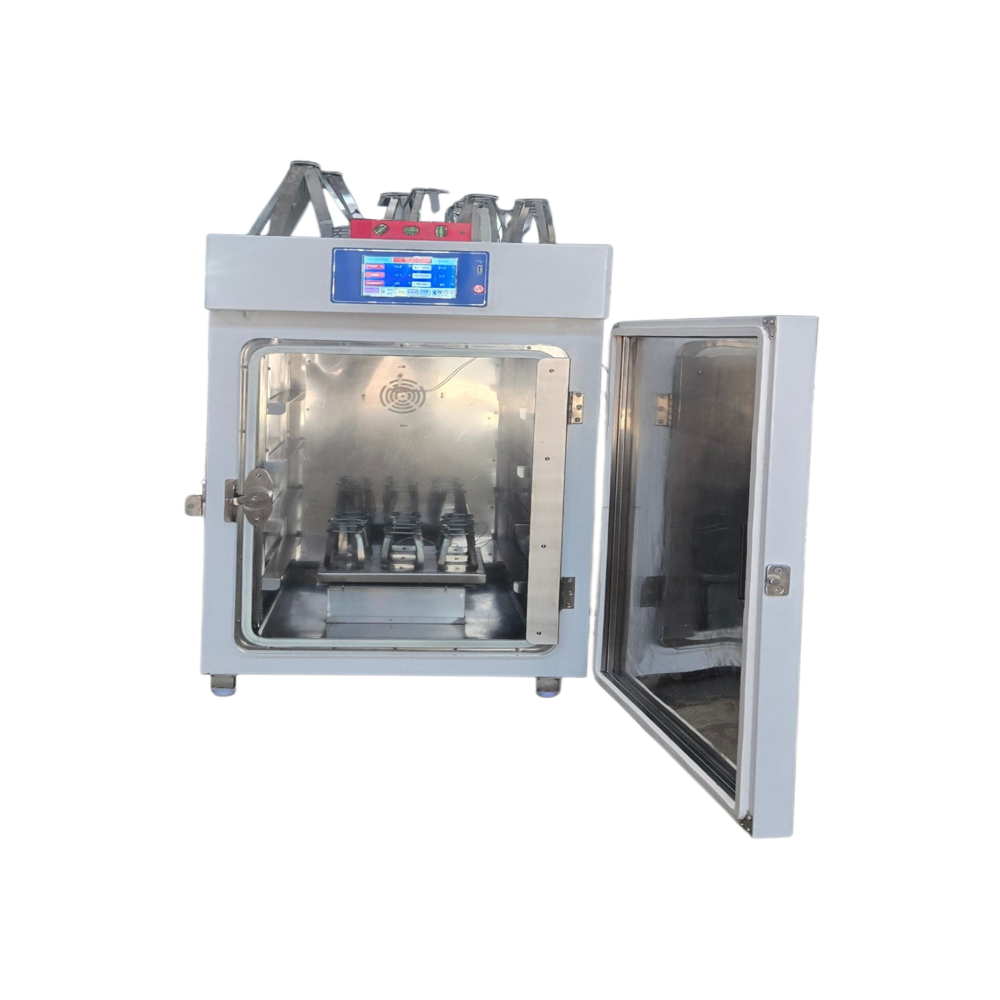
The incubator boasts three adjustable stainless steel shelves and a generous 170-liter chamber, allowing researchers to accommodate flasks, dishes, or multi-well plates easily. The programmable shaker supports up to 6 x 1000 ml flasks, facilitating consistent mixing for a wide range of applications.
Safety and Monitoring Features
User safety and culture integrity are ensured with a comprehensive alarm system that detects over-temperature, door openings, and CO2 supply failure. The incubator's inner glass and outer solid door design, combined with interior LED lighting and a tempered observation window, offer both accessibility and contamination protection.
FAQ's of Shaking Co2 Incubator:
Q: How does the microprocessor PID control system benefit culture reliability in this shaking CO2 incubator?
A: The microprocessor PID control ensures tight regulation of temperature and CO2 levels, providing consistent and precise culture conditions. This stability is crucial for reproducible results in sensitive applications like cell and tissue culture.Q: What types of research applications can this shaking CO2 incubator support?
A: This incubator is ideal for cell culture, tissue culture, and microbiological research. Its programmable shaker and spacious shelves accommodate varied experimental setups, making it suitable for academic, clinical, and industrial laboratories.Q: When is the alarm system triggered, and how does it protect samples?
A: The incubator's alarm system activates in cases of over-temperature, CO2 supply failure, or door openings. These alerts reduce risk by prompting a quick response, thus safeguarding cultures against environmental fluctuations or contamination.Q: Where should the shaking CO2 incubator be installed for optimal performance?
A: Install the incubator in a clean, temperature-stable environment with adequate ventilation and a reliable 220-240 V AC, single-phase power supply. Place it on a level surface to support the shaker mechanism and prevent vibrations.Q: What is the process for adjusting shelves and loading samples in the incubator?
A: The three stainless steel shelves can be manually repositioned to fit various vessel sizes. To load samples, simply open the outer solid and inner glass doors, adjust the shelves as needed, and place flasks or dishes securely before closing both doors.Q: How does the automatic humidity control enhance culture outcomes?
A: Automatic humidity control, maintaining up to 95% RH, minimizes evaporation and prevents desiccation of cultures. This ensures consistent cell viability and experimental reproducibility over extended incubation periods.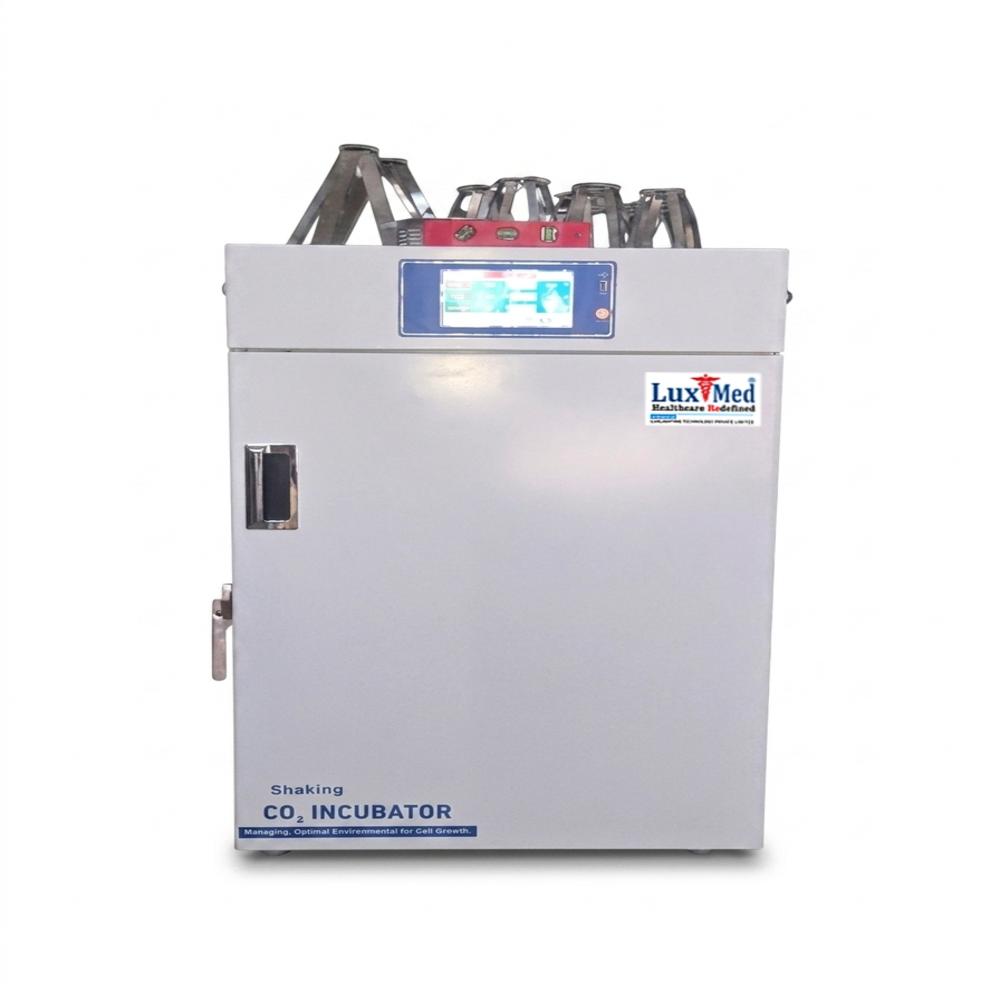
Tell us about your requirement

Price:
Quantity
Select Unit
- 50
- 100
- 200
- 250
- 500
- 1000+
Additional detail
Mobile number
Email

More Products in Cell Culture And Research Equipment Category
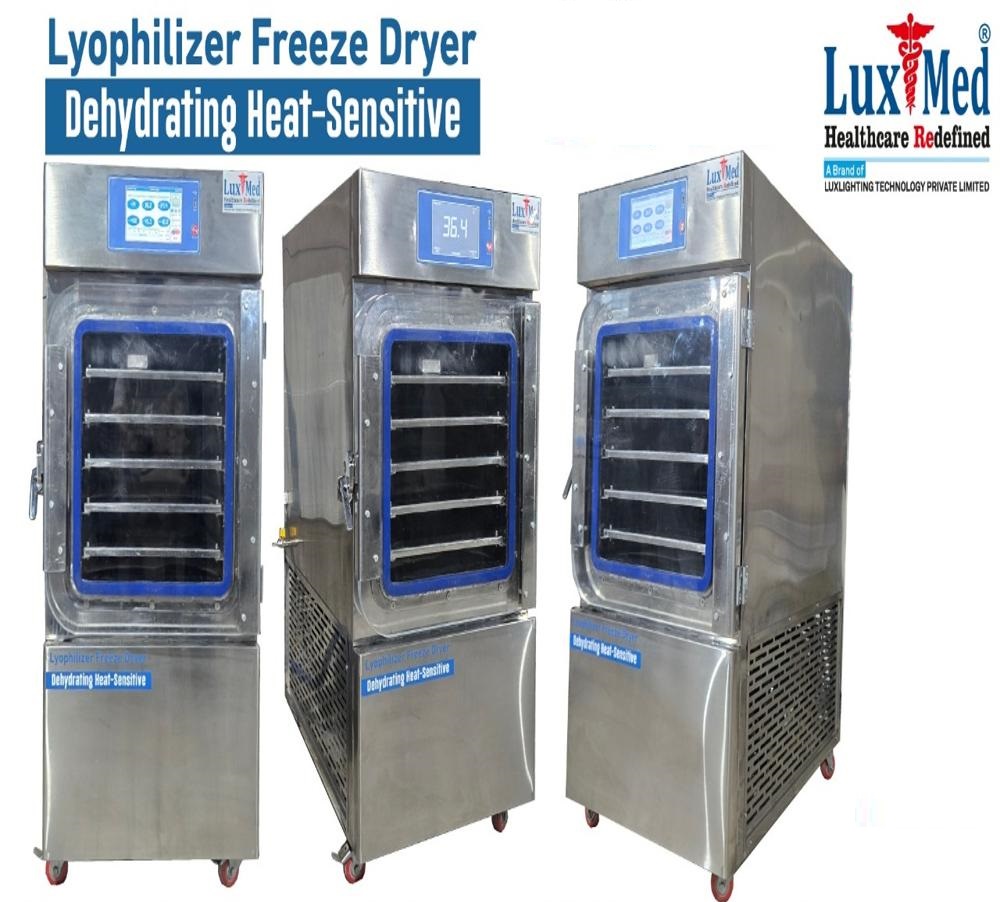
LuxMed Lyophilizer Freeze Dryer
Price 550000.0 INR / Unit
Minimum Order Quantity : 1 Number
Material : Steel
Warranty : 2 year
Dimension (L*W*H) : 820*695*600 Millimeter (mm)
Equipment Materials : SS 304
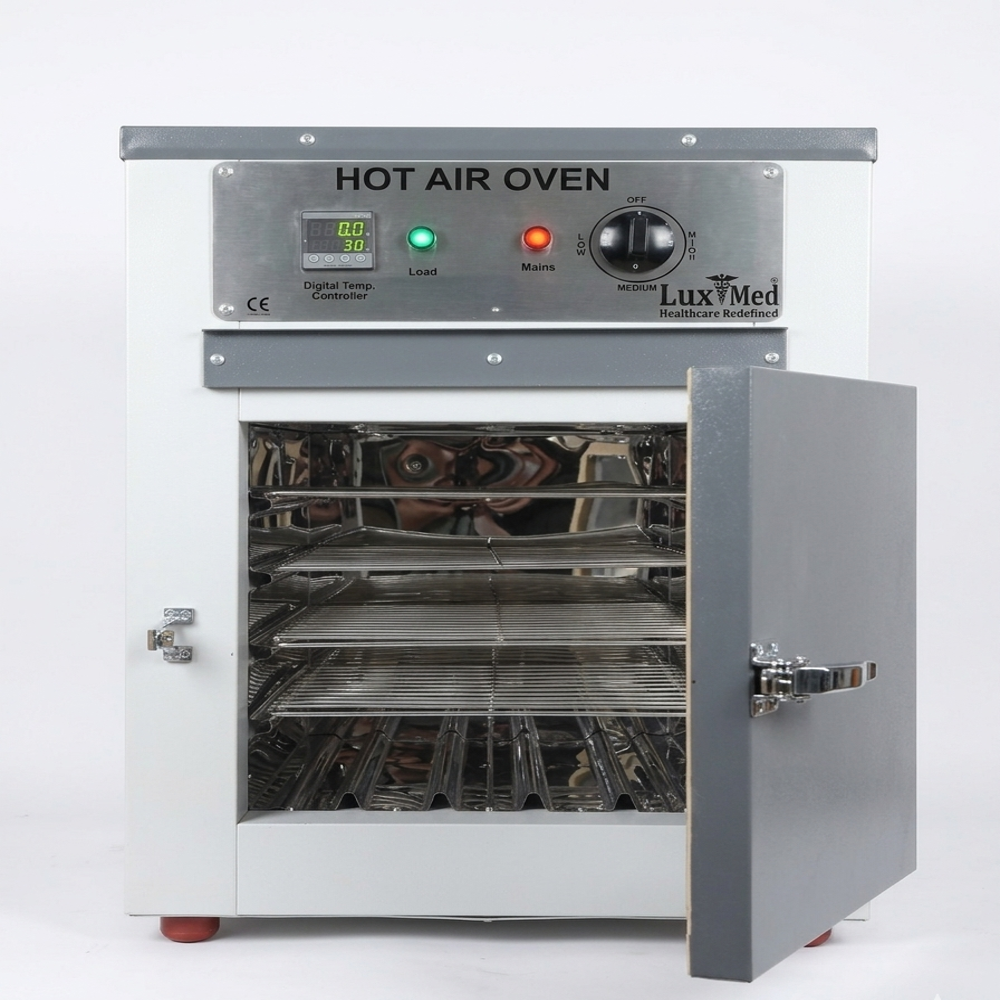
Hot Air Oven
Price 250000.0 INR / Piece
Minimum Order Quantity : 1 Piece
Material : Mild Steel, Stainless Steel
Dimension (L*W*H) : 24 x 18 x 18 inch
Equipment Materials : Mild Steel Body, Stainless Steel Chamber
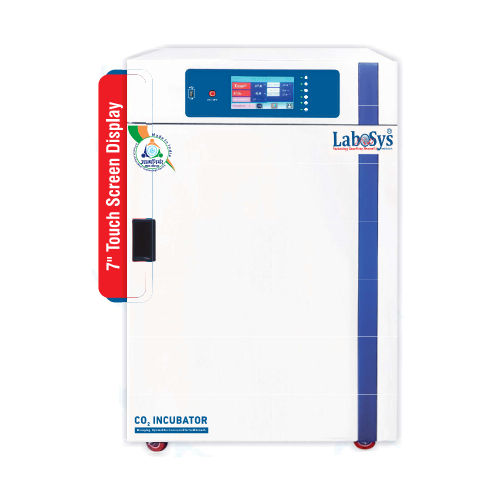
LMX-HI Co2 Incubator
Price 650000.0 INR / Unit
Minimum Order Quantity : 1 Unit
Material : SS
Warranty : 1 Year
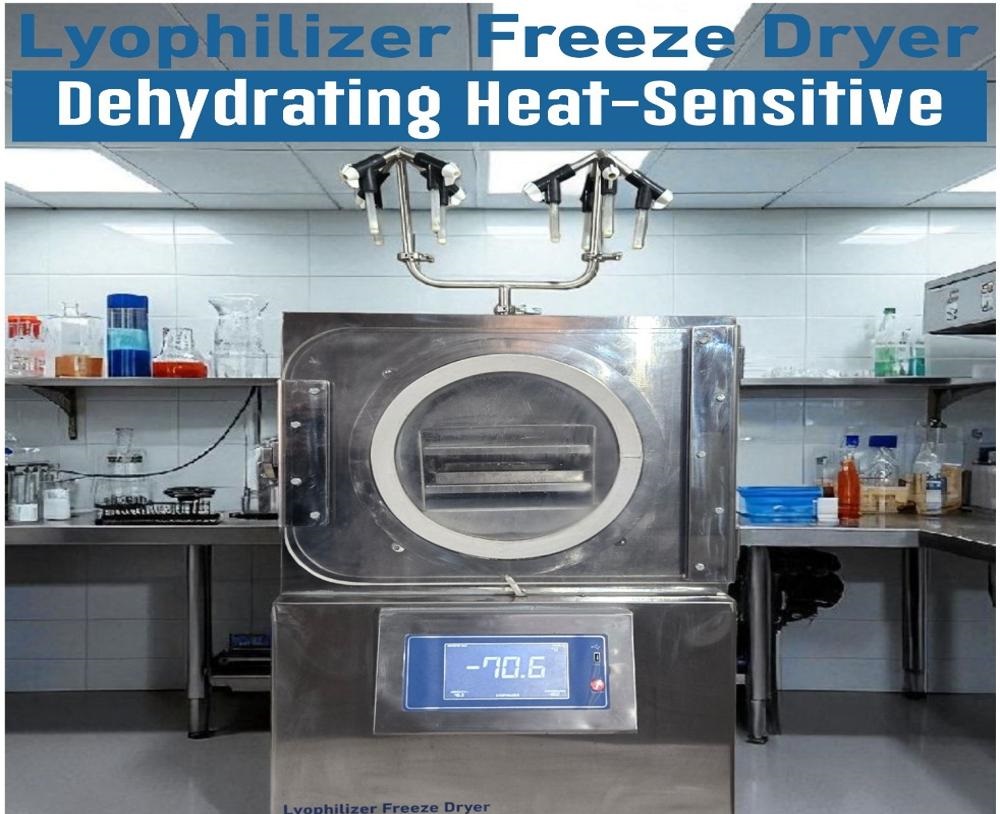
LuxMed Lyophilizer Freeze Dryer
Price 390000.0 INR / Unit
Minimum Order Quantity : 1 Number
Material : Stainless Steel
Warranty : 1 Year
Dimension (L*W*H) : 820*695*600 Millimeter (mm)
Equipment Materials : Stainless Steel

 Send Inquiry
Our Products


B 232, Ground Floor, Khasra No. 832, Chattarpur Extension,New Delhi - 110074, India

Ankit Jha
(CTO)
Mobile :08045815486
 Send Inquiry
 Send SMS
Developed and Managed by Infocom Network Private Limited.
